The Gentle Art of Swedish Death Cleaning – Book Review
This post may contain affiliate links which means I make a commission if you shop through my links.
Disclosure Policy
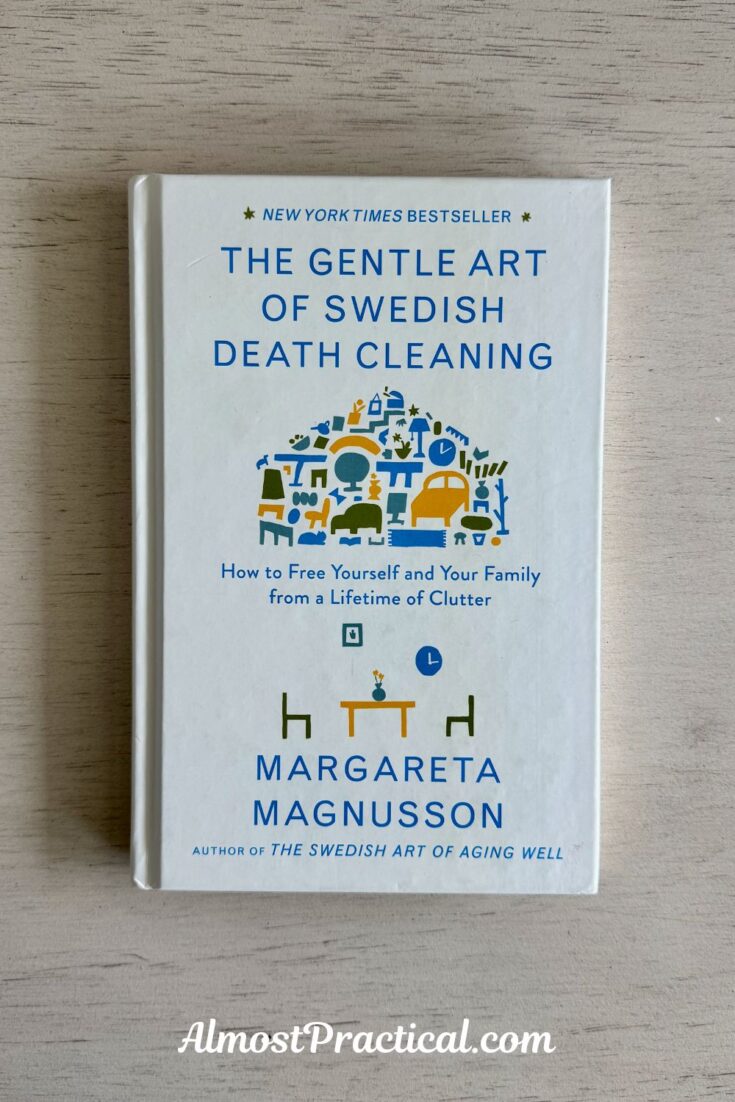
The first time I heard about this book The Gentle Art of Swedish Death Cleaning by the late Margareta Magnusson I was taken aback by the title. It seemed a bit morbid.
But it was the tagline: How to Free Yourself and Your Family from a Lifetime of Clutter that really drew me in.
After living in, and raising my children in the same house for 26 years, I was feeling the weight of my possessions. I knew that in the event that something bad were to happen to my husband or I, cleaning out our home would be translate to a massive project for our kids. Given the phase of life that they were in, they really would not have the time.
I am so glad that I picked up this little book because not only does it provide practical advice, it is also a charming reflection by Margareta on a life well lived. It might even be the first time that a book about organizing and productivity brought actual tears to my eyes.
When Margareta wrote The Gentle Art of Swedish Death Cleaning she was at the self proclaimed age of somewhere between eighty and one hundred years old. And while she calls this process “death cleaning” it is really a philosophy behind organizing that we can put into practice no matter what age we happen to be.
What Is Swedish Death Cleaning?
In Swedish, death cleaning is called döstädning. According to the author this is
“a word that is used when you or someone else does a good, thorough cleaning and gets rid of things to make life easier and less crowded”.
The goal of this process is not about cleaning but to create a
”permanent form of organization that makes your everyday life run more smoothly”.
Technically, you do this type of cleaning as you near end of life, but if you put these concepts into practice early on, you will feel more confident and in control of your affairs which can guide all of your important decisions going forward.
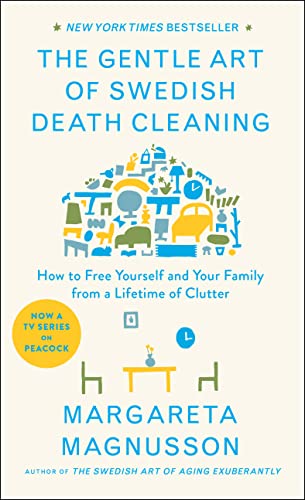
The title The Gentle Art of Swedish Death Cleaning may sound a little morbid but the concept is solid. As we enter the later phases of our lives, we should begin to pare down our stuff so our families do not become burdened with all our stuff when we pass. This though provoking book will make you do some deep thinking about your legacy.
Advantages of Death Cleaning
Encourages Important Conversations
One side benefit of death cleaning early on is that it opens conversations with family members about what will happen when you pass on and hopefully help to avoid any conflicts among family members at that time.
Frees Up Your Time
Another benefit to death cleaning is that it can free up your time in the long run. We have all been in a situation where we have said no to doing something fun because we had to much clutter to deal with at home. When you have less stuff, and processes in place to deal with the things you keep, then you free up time to do the things you love.
Provides a Gift Your Children Will Cherish
Your children (or other family members) may not realize the gift you are giving them as you go through the death cleaning process, but they will when the time comes. Basically, you are putting in the work now, so they don’t have to later.
Finding new homes for thing that you no longer have a need for takes time and energy that they most likely will not have.
Where to Start?
As I state in my article, 9 Organizing Tips to Help You Start Decluttering, Margareta and I along with other organization experts like Marie Kondo are all in agreement on where NOT to start, and that is with memorabilia.
Your best bet is to start with something easy. Margareta suggests starting with clothing because you can be well dressed without owning a lot of clothing, simply employ the concepts of a capsule wardrobe and only keep pieces that fit you well and that you love.
Personally, I like to start with my biggest pain point. If I am frustrated by the clutter in a certain area, perhaps a drawer, cabinet, or closet, then that is where I like to start. Much of the time this is my home office desk and the area around it. If I can declutter this space, then I create room where I can sit and work on the rest of the areas peacefully.
The bottom line is this: if you can make some big strides early on the process will get easier as you move along. Margareta accurately states that “mess is an unnecessary source of irritation” and that “hunting for misplaced things is never an effective use of your time.”
If you are having trouble getting started, it could be a good idea to consult with a professional organizer or someone who doesn’t have a personal attachment and that can look at your home objectively. But be aware of the motivations of those you ask for help.
It also is helpful to review the mindset and attitude that you are bringing to the table.
They May Not Want What You Think They Will
One of the hard things about downsizing is that you don’t want to get rid of things because you think your family may want them. But in reality they may not have the need, space, or memories around certain things like you do.
The process of Death Cleaning gives you the opportunity to have these difficult conversations with your kids or family members. Perhaps you can pass on things that they want and that you are no longer using right away.
And as for the things they don’t want, this gives you the ability to make sure that those cherished items find a new home or charity where they will benefit others.
Do This Cleaning While You Can
No one likes to think about getting older. But with age comes health issues. Taking care of your affairs now before declining health becomes a problem is good for everyone involved.
Don’t Fall Into the Accumulation Cycle
Once you start cleaning things out, be vigilant not to bring in new items to take their place. Margareta reminds us that we don’t need to own things to enjoy them. Sometimes window shopping is enough, perhaps have fun browsing shops with a friend followed by lunch out. It is the experience that makes the memory, not the things you buy.
Stop Organizing and Start Using
Margareta points out that people tend to spend more time organizing their stuff, instead of actually using it.
In the post Ideas for Using What You Already Own Before Buying New, I have also made that observation. that we all own things with features that we don’t fully take advantage of.
For example, your cell phone is capable of doing so much with all those apps, yet I have probably spent more time organizing my apps into neat little folders instead of firing them up and using them to their fullest potential.
Death Cleaning Doesn’t Happen Overnight
The good news about this type of cleaning is that you can pace yourself. You are basically creating your legacy. What you choose to keep should be meaningful or useful to you, so take your time as you go through the process.
Let yourself travel down memory lane and experience the feelings that each item brings. At the same time be sure to give yourself deadlines to stay on track. Decide when you want the entire project to be complete then divide it into months or weeks. You could do one room per month or set a weekly goal.
Death Cleaning Is As Much For You As It Is For Others
If you read the book The Gentle Art of Swedish Death Cleaning you will find that not only is it full of practical advice, but it is also a reflection on Margareta’s life and the moments that she holds dear.
She shares sweet memories of raising her children, friendship, and being a wife. You can tell that, for her, the death cleaning process was a way to revisit special times and in a way, say goodbye.
I was saddened to learn that Margareta recently passed away. But I am certain, that she left her family in a good place, unburdened by clutter, and gifted with happy memories.
Be sure to explore our Organizing and Productivity Book List for more titles with great ideas for getting organized.